A Conversation with the author about The Magnolia Palace
Photographer : Maria Buenaventura
Tell us about the Frick Collection, the setting for The Magnolia Palace.
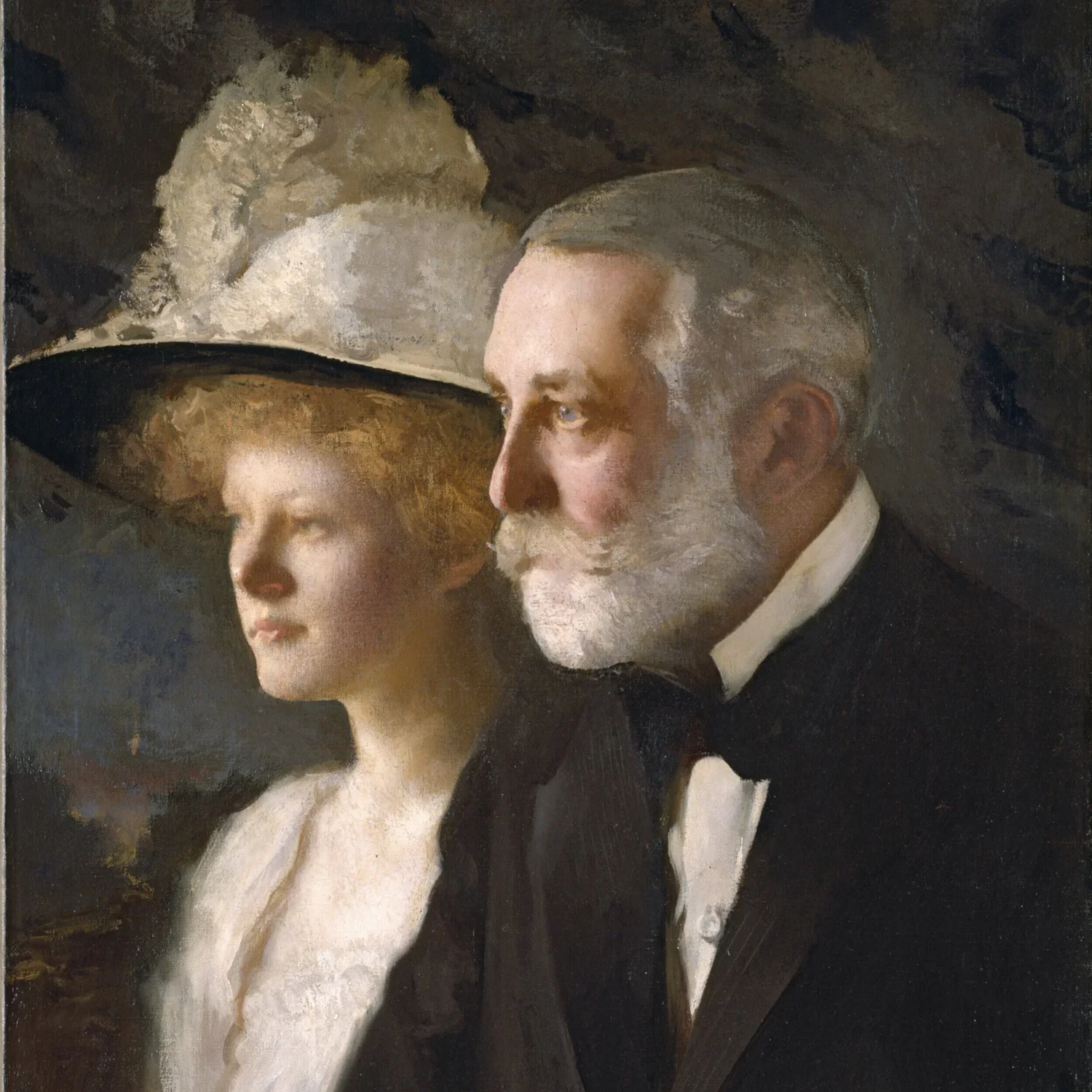
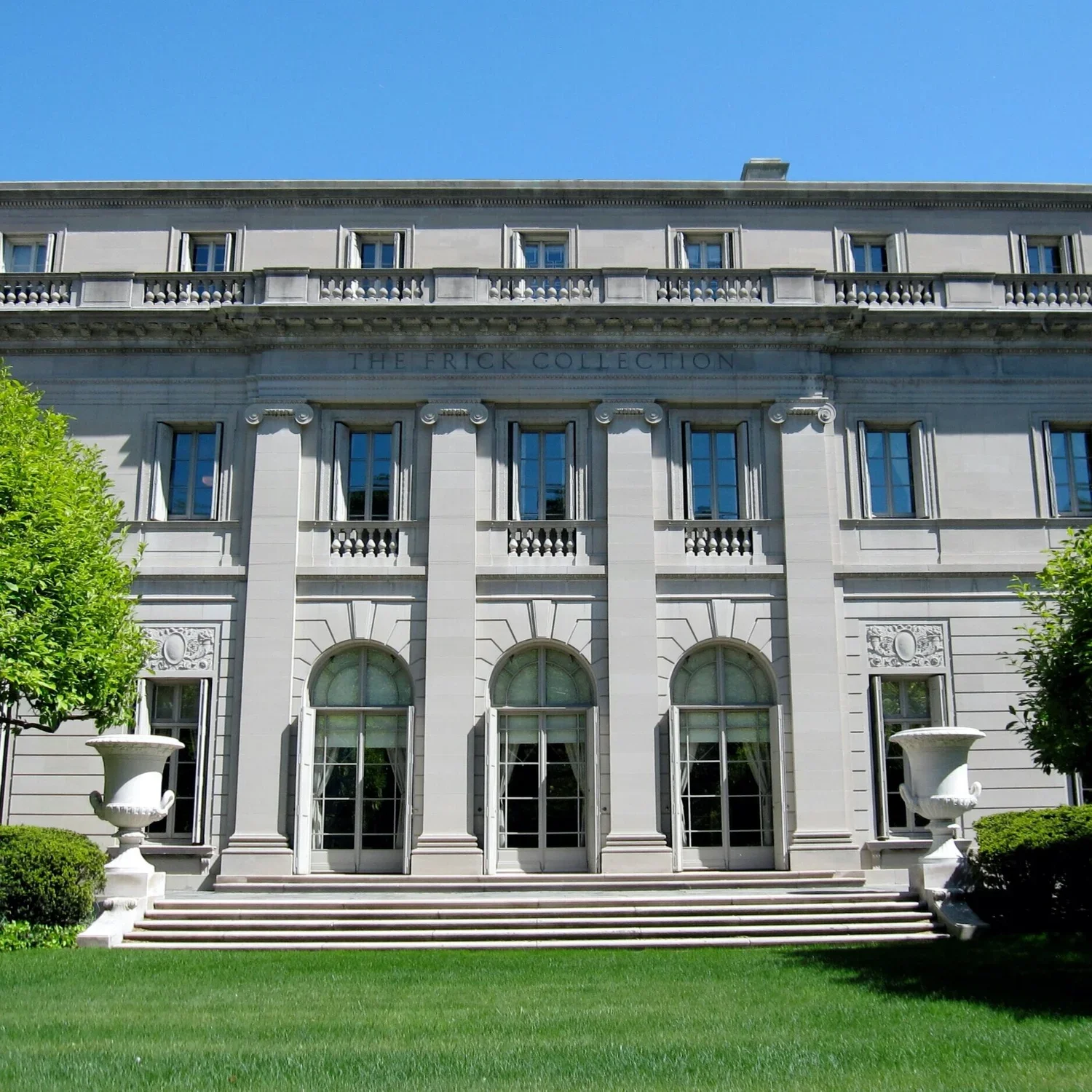
The neoclassical Frick mansion in New York City is the setting for The Magnolia Palace. Built in 1914, it was the home of Henry Clay Frick, an industrialist who achieved great wealth in the coke and steel industry, although his reputation was sullied by his association with the Johnstown, PA flood of 1889 (which killed over 2,200 people) and the tragic Homestead Strike of 1892.
Over the years, Frick amassed a stunning art collection, including works by Turner, Degas, Vermeer, and Rembrandt. He lived in the Fifth Avenue house with his adult daughter, Helen, and his wife, Adelaide, for five years before he died in 1919, surrounded by his masterpieces. Ultimately, the house and its contents were left to the city and became The Frick Collection in 1935.
What real-life person inspired the character of Lillian in the book?
The character of Lillian in the book is inspired by artists’ model Audrey Munson, who was the darling of American sculptors and is considered the “supermodel” of the 1910s. Munson’s figure graces dozens of New York City locations, including the Manhattan Municipal Building, the fountain across from the Plaza Hotel, the Maine Monument at Columbus Circle, the Brooklyn Museum, the New York Public Library, the Titanic memorial, and the Firemen’s memorial. Unfortunately, her life was marred by scandal and tragedy.
Audrey Munson also posed for the reclining nude that’s carved above the entrance to the Frick mansion. The 1919 timeline in the book came to me after I wondered what an encounter between an Audrey Munson-inspired model and Helen Clay Frick, the headstrong adult daughter of Henry Clay Frick, might have been like.
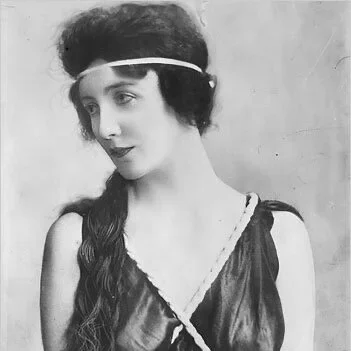
Audrey Munson, 1922
What was it like moving from journalism to fiction writing?
As a journalist, I love crafting a story from research and interviews, and when I decided to write this book I approached it in the same way. But since it was fiction, I could use my imagination as well, and spin a story rooted in fact but not limited by it. I hope readers will get a glimpse into the way women were expected to live and behave in the early 50s, and appreciate how hard it was to break out of that. At the same time, I hope they’ll enjoy reading about how two generations of women can influence each other to stand up and be counted.
The Frick mansion. Photo Credit: Gryffindor